Experience the Thrill of Real-Time Play at the Best Live Dealer Casino Now
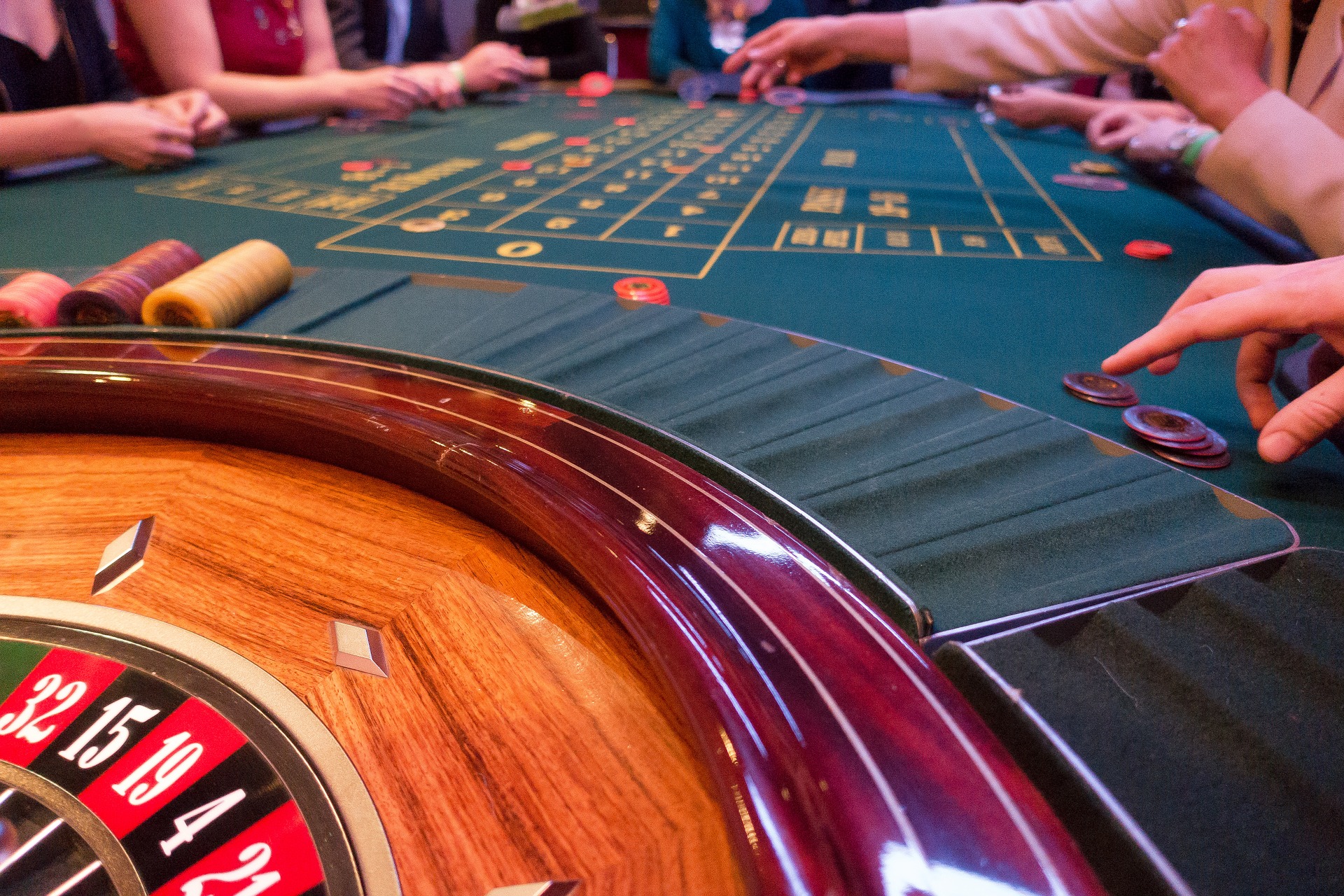
Live dealer casino bridges the gap between physical and digital gambling by streaming real tables with human croupiers directly to your screen. Players interact with the game and dealer through a live video feed, placing bets via an on-screen interface that syncs instantly with the physical action. This format offers the authentic casino atmosphere from anywhere, with real-time gameplay and genuine cards or wheels, not random number generators.
The Tech Behind the Camera: How Real-Time Streaming Works
In a live dealer casino, the tech behind the camera relies on multiple HD cameras capturing the table from different angles, including a specialized overhead “eye-in-the-sky” lens for card and roulette wheel recognition. These feeds are encoded into a low-latency streaming protocol, often using WebRTC or RTMP, and sent to a server that synchronizes video with game data. How does real-time streaming keep up with fast bets? The system uses a sub-second delay (usually under 2 seconds) by compressing frames and prioritizing the dealer’s actions, so you see the spin or card flip as it happens. This ensures your bets register before results appear on your screen.
Optical Character Recognition and Its Role in Game Accuracy
Optical Character Recognition (OCR) ensures game accuracy by translating real-world dealer actions into digital data instantly. As cards are dealt or roulette wheels spin, OCR software captures high-resolution frames, converting physical symbols and numbers into machine-readable text for the streaming interface. This parallel processing eliminates latency, matching the visual feed exactly to the bet outcomes displayed on player screens. Without OCR, manual data entry would introduce human error, breaking the causal link between the physical table and the digital result. The system cross-references each scanned character against expected game rules, flagging any discrepancy immediately to maintain integrity.
Latency Reduction Methods for Seamless Play
To achieve seamless play, live dealer casinos deploy edge-based video encoding directly at the studio, compressing frames locally before transmission. Predictive streaming algorithms pre-load likely dealer actions, while WebRTC protocol bypasses intermediary servers for peer-to-peer latency drops. Optical fiber backhauls reduce round-trip time, and adaptive bitrate switching prevents buffering during congestion. These methods collectively keep video-audio sync under 200ms, ensuring real-time interaction feels instantaneous.
Multiple Camera Angles and Player Perspective

In live dealer casinos, multiple camera angles dynamically switch to deliver an immersive player perspective. Typically, a wide shot captures the entire table and dealer, while secondary close-up cameras focus on the shoe, wheel, or dealt cards. This setup allows players to view the action from the dealer’s viewpoint or a top-down angle. The system automatically toggles between feeds based on game events—for instance, zooming in on the roulette ball landing. This real-time perspective shift ensures you never miss a critical detail, replicating the seat view of a physical casino.
- Wide angle shows full table layout and dealer movements.
- Close-up tracks card distribution or roulette wheel spin.
- System auto-switches based on game phase or dealer action.
Choosing Your Game: Beyond Blackjack and Roulette
When you step into a live dealer casino, choosing your game beyond blackjack and roulette opens a world of interactive depth. I watched a player at a Dream Catcher wheel lean forward, not just spinning but chatting with the host, feeling the energy of the crowd. A baccarat table nearby hummed with quiet tension, where a woman placed her bets with a calm focus that blackjack’s speed never gave her. These games—like Infinite Blackjack or Lightning Roulette—feel like a living show, not just a gamble. You pick not for odds alone, but for the story each session tells. The dealer’s smile, the pace of cards, the light of a bonus round—it’s a choice that shapes your entire evening.
Game Show Formats: Wheel of Fortune and Dream Catcher Variations
In live dealer casinos, game show formats like Wheel of Fortune and Dream Catcher variations replace traditional card outcomes with a spinning mechanical wheel segmented into numbered or symbolic slices. Dream Catcher uses a vertical wheel with multipliers up to 7x on outer segments, while Wheel of Fortune typically offers a horizontal wheel with prize-based segments including bonus rounds. Both require the host to spin the wheel physically, with bettors predicting where the flapper will land. The key practical difference lies in payout structures: Dream Catcher pays based on the segment’s numeric value, whereas Wheel of Fortune often introduces progressive jackpot segments for higher variance. Neither requires strategic skill, making them purely luck-driven alternatives to blackjack or roulette.
Poker Rooms with a Human Touch
Forget robotic shuffles. In a live dealer poker room with a human touch, you get a real dealer cracking jokes and chatting between hands, making Texas Hold’em feel like a home game. The slower pace lets you read their facial expressions, while chat features let you banter with the table. Unlike automated tables, these rooms pause for your snap decisions, recreating the friendly camaraderie and tension you’d find at a brick-and-mortar felt.
| Human Touch Aspect | How It Feels |
|---|---|
| Dealer banter | Jokes and small talk between hands |
| Pace control | No rush—time to think and chat |
| Expression reading | See live tells from serious dealers |
Specialty Bets: Sic Bo, Baccarat, and Dragon Tiger
Specialty bets in a live dealer setting offer fast, simple alternatives to table games. In Sic Bo, Baccarat, and Dragon Tiger, the core appeal is speed and minimal decision-making. Baccarat requires choosing Player, Banker, or Tie; Dragon Tiger is a pure two-card draw; and Sic Bo wagers on a dice outcome. Each round resolves in seconds, ideal for players wanting quick results. House edges are low on primary Dragon Tiger and Baccarat bets, while Sic Bo’s specific triples carry high variance. Q: Are Dragon Tiger results truly random live? A: Yes, the dealer draws from a shuffled shoe, with the higher single card winning, offering no player strategy.
Setting Up for Success: Optimal Hardware and Internet
The flicker of the croupier’s hand over the felt is lost if your screen stutters. For live dealer casino, optimal hardware and internet aren’t luxuries; they are the invisible dealers. I learned this the hard way during a critical hand of blackjack, when my outdated router buffered just as the hole card was revealed. Now, I run a wired Ethernet connection directly from a gaming-optimized router, ensuring latency stays below 30ms. My monitor boasts a 144Hz refresh rate, rendering the ball’s spin on the roulette wheel in fluid motion rather than a slideshow.
The split-second delay between my “hit” command and the dealer’s response used to cost me wagers; now, a dedicated graphics card processes the video stream without a hitch.
Every peripheral—from a stable mouse to noise-canceling headphones—is chosen to mirror the tactile feedback of the floor, turning a digital stream into a seamless extension of the casino pit.
Bandwidth Requirements for High-Definition Streams
For stable live dealer casino play, high-definition streams demand a minimum dedicated downstream bandwidth of 10 Mbps, though 25 Mbps is recommended for 4K feeds. This requirement adjusts based on stream resolution and frame rate; 1080p at 60fps typically consumes 5–8 Mbps, while 4K streams can peak above 15 Mbps during high-motion table actions. To maintain uninterrupted video, bandwidth should not be shared with large downloads or simultaneous streaming services on the same connection. Analyze your connection through a wired Ethernet test, as Wi-Fi latency often degrades HD video quality. A 50 Mbps or higher plan usually provides safety margin for multiple tables or overlay features.
- Verify your internet plan delivers at least 10 Mbps sustained, not just advertised speeds.
- Disable other high-bandwidth activities during sessions.
- Use a wired connection or a dedicated 5 GHz Wi-Fi channel.
Monitor Size and Multi-Table Play Efficiency
For multi-table live dealer play, a monitor 27 to the site inches or larger allows you to tile three to four tables without constant window switching. Larger screen real estate for live dealer tables enables you to view each dealer and bet layout clearly, preventing costly misclicks. A clear sequence for setup is:
- Select a primary table for your main focus and position it centrally on the screen.
- Tile secondary tables along the edges, ensuring each chat and betting panel remains fully visible.
- Adjust your browser zoom to 75–80% so all tables fit without overlapping controls.
Using a 32-inch 4K monitor further reduces eye strain by rendering dealer cards and table grids with crisp detail at a single glance.
Mobile Optimization: Playing on Phones and Tablets
Mobile optimization ensures your live dealer casino experience is fluid on phones and tablets. A stable low-latency connection is critical for real-time video streaming without lag. Use landscape mode for larger dealer feeds and table layouts. For seamless play, follow this sequence:
- Test your device’s Wi-Fi or 5G signal strength before joining a table.
- Close background apps to free up processing power for the stream.
- Enable hardware acceleration in your browser or app settings for smoother graphics.
This preparation keeps bet placement and chat responsive on any screen size, preventing interruptions during live rounds.
Betting Strategies Tailored for Human Dealers
You watch the dealer’s rhythm, noting how a subtle hesitation before the shuffle might signal a new shoe’s start. Live dealer betting strategies exploit these human quirks—like observing whether the dealer consistently cuts the deck close to the middle. One practical tweak: on baccarat, you adjust your bets based on how the dealer handles the squeeze, pausing longer on close shoe edges. In blackjack, you track the dealer’s shuffle speed—if they rush, cards may clump, favouring a slower progressive bet pattern. This isn’t about counting; it’s about reading the person’s habits to time your wager size, turning a random deal into a slightly predictable flow.
Martingale vs. Fibonacci: Adapting to Real-Time Pacing
In a live dealer casino, real-time pacing adaptation differentiates Martingale from Fibonacci. The Martingale’s aggressive double-up after each loss demands rapid bankroll capacity, ideal for speed dealers dealing high-tempo shoes, but risks table limits quickly. Conversely, Fibonacci’s sum-of-previous-two sequence creates a more measured recovery, aligning with slower, deliberate live dealer paces—offering breathing room between reshuffles. Q: Which strategy better handles slow-paced dealers? A: Fibonacci, as its stepwise progression mitigates risk during drawn-out shuffles where Martingale would compound losses.
Reading the Shoe: Card Counting Possibilities in Live Formats
Reading the shoe in live blackjack offers a legitimate, albeit constrained, card counting potential. Unlike automated shufflers, human dealers handling a manual shoe create predictable penetration points. An analytical player tracks the running count of high-to-low cards, adjusting bets when the shoe’s composition shifts favorably. The key limitation is the dealer’s shuffle frequency; many live formats shuffle at 50-60% penetration, reducing the window for meaningful deviation. Penetration depth remains the primary variable in live formats, as deeper deals amplify counting accuracy. Q: Can card counting be reliably executed against a live human dealer? A: Yes, but only when penetration exceeds 65% and the dealer hand-shuffles without an auto-shuffler, allowing a small but actionable advantage window.
Bankroll Management During Extended Sessions
During extended live dealer sessions, bankroll management requires strict adherence to session-based loss limits, as the slower pace of human-dealt games can create a false sense of control. Time-based stop-loss thresholds are critical: after four hours, re-evaluate your remaining funds and reduce bet sizes by 20% to offset fatigue-driven errors. Only reallocate winnings if they exceed 15% of your original session bankroll, preserving a cushion for variance. Each shoe or round should function as an independent budget segment, preventing a losing streak from cascading across your entire session.
Bankroll management for extended sessions hinges on pre-set time and loss limits, with automatic bet-size reductions after prolonged play to combat fatigue and protect your overall budget.
Social Dynamics: Chat, Etiquette, and Interaction
In a live dealer casino, the chat function is your primary tool for social interaction, and mastering its etiquette directly elevates the game. Address the dealer by name and acknowledge wins with a simple “thank you” to foster a respectful atmosphere. Avoid flooding the chat with personal anecdotes or spamming emotes, as this disrupts the flow for other players. Keep commentary brief and focused on the game—celebrating big spins or commenting on hand outcomes is welcomed, but complaining about losses is a quick way to sour the table’s mood. Timing your remarks between rounds shows you understand the rhythm of live play, not just the rules. Ultimately, confident, polite chit-chat with dealers and fellow players creates a shared, immersive experience that makes the virtual felt feel genuinely social and engaging.
Tipping Dealers Through Digital Chips
In live dealer casinos, digital chips simplify the act of rewarding a croupier mid-game. Rather than calculating cash or fumbling for tokens, you click a virtual chip icon beside the dealer’s avatar to send a gratuity directly from your balance. This instant, transparent gesture strengthens rapport, as dealers often acknowledge the tip with a nodded thanks or verbal cue. Tipping with digital chips for live dealers can subtly influence the game’s pace; a small gratuity after a win may encourage a dealer to slow the deal, allowing you to savor the moment. Always tip immediately after a hand to maintain etiquette, as delayed chips can disrupt the social flow.
Using the Chat Box Without Slowing the Game
To use the chat box without slowing the game, treat it like a quick sideline comment rather than a full conversation. Send messages during brief natural pauses, such as when the dealer finishes dealing or just before the next card is revealed. Avoid lengthy questions that pull the dealer’s focus from the action. Timing your chat to coincide with idle seconds keeps the game flowing smoothly for everyone at the table. This approach ensures your interactions feel natural without annoying other players. Mastering efficient live chat etiquette is the key to staying engaged.
- Type short, clear messages that require minimal reading time.
- Skip personal stories or unnecessary greetings during active rounds.
- Use emojis sparingly to communicate tone without extra words.
- Acknowledge dealer responses with a quick “thanks” rather than a follow-up question.
Handling Distractions in a Shared Virtual Room
In a shared virtual room, managing distractions is critical for maintaining focus and game flow. Use the platform’s mute or hide-chat functions to silence players who spam emojis or irrelevant banter. Minimize visual clutter by collapsing the side-panel during key bets, keeping your attention on the live dealer and felt. Resist replying to provocative comments from other players, as engagement derails your strategy. Treat the room like a physical table; acknowledge the dealer’s call, then ignore peripheral noise.
Handling distractions in a shared virtual room means curating your audio/visual feed to protect your concentration, treating other players as background until you choose to interact.
Security Protocols and Fair Play Assurance
The dealer shuffles a physical deck under multiple camera angles, each stream encrypted end-to-end to prevent interception. As you place your bet, a timestamped hash logs every action onto the blockchain. How does this guarantee fair play? The cryptographic record is independently verifiable, ensuring no hand is retroactively changed. The core assurance lies in real-time optical recognition: the system compares every card dealt against the dealer’s visible motion, flagging any discrepancy instantly. You watch the deck being cut on your screen, knowing the shuffle algorithm and human hands combine into a tamper-proof loop. That moment of uncertainty dissolves when the outcome is broadcast live and the hash matches the final result—proof encoded in the stream itself.
Random Number Generator vs. Physical Shoe Comparisons
In live dealer casinos, the clash between digital RNG fairness vs. physical shoe randomness defines trust. A physical shoe offers tactile, visible shuffling, with croupiers cutting the deck before your eyes. An RNG, however, generates instant, independent results free from human error or pattern manipulation. Live dealer games often merge both: a real shoe might dictate initial card order, while an RNG can manage secondary outcomes like bonus triggers or burn card placement. Each method counters the other’s weakness—physical transparency meets algorithmic unpredictability—ensuring no single system can be gamed during play.
- Physical shoes provide visual confirmation of shuffle integrity, but carry risks of dealer sleight-of-hand.
- RNG eliminates human bias entirely, yet lacks the tangible trust of a real deck being cut.
- Hybrid systems pair a live shoe’s start point with an RNG’s subsequent randomization for double verification.
- Players can watch the shoe’s cut, while the RNG’s seed is often published for independent audit.
Regulatory Licenses and Third-Party Audits
Regulatory licenses from jurisdictions like Malta or the UK require live dealer casinos to submit to regular independent verification of game integrity. Third-party auditors, such as eCOGRA or iTech Labs, test random number generators and card shuffling algorithms used in real-time streams. They also inspect camera feeds and dealer procedures to confirm no manipulation occurs. A certification seal from these auditors is directly linked to the operator’s license terms—loss of certification can revoke the license. RNG testing by auditors ensures outcomes remain unpredictable, which is a core license condition. Does a third-party audit guarantee a game is fair? Yes, because auditors compare live dealer results against statistical expectations over thousands of rounds, and license regulators enforce any detected deviations.
Authentication Methods for Player Identity
Player identity authentication in live dealer casinos relies on multi-factor verification before gameplay. This typically combines a unique username with a secure password, followed by a one-time code sent via SMS or email. Biometric checks, such as facial recognition via the player’s device camera, are increasingly used to match the account holder against ID documents during session initiation. Real-time server-side session tokens continuously validate the player’s connection, preventing account takeovers mid-game. These methods ensure only the verified player controls their active session.
Authentication for player identity uses passwords, one-time codes, biometrics, and session tokens to confirm the user is the legitimate account holder throughout a live dealer game.
Banking Options for Real-Time Wagering
For live dealer blackjack, you cannot rely on slow bank transfers. You need a digital wallet like Skrill or Neteller to push your buy-in to the table instantly between hands. As the roulette ball spins, your cashback or bonus funds often require a separate crypto deposit to unlock real-time wagering on the felt. Even your withdrawal request must be matched to a fast processor, or you will miss the next shoe dealing your hand. Visa debit works, but only if you pre-load an account balance, as direct card swipes fail during rapid ante placements.
Cryptocurrency Payments and Instant Settlements
In live dealer casinos, cryptocurrency payments enable instant settlements after each hand or spin, as blockchain transactions bypass traditional banking delays. Players deposit Bitcoin or Ethereum and see funds credited within minutes. Winnings are similarly paid out immediately to the crypto wallet, eliminating the standard 1–3 day withdrawal wait. A key advantage is that the blockchain records the settlement timestamp, providing immutable proof of transaction completion during live play.
| Aspect | Cryptocurrency Payment | Traditional Payment |
|---|---|---|
| Settlement speed | 2–30 minutes | 1–5 business days |
| Reversal risk | None (irreversible) | Chargebacks possible |
| Transaction proof | On-chain ledger | Bank statement |
Credit Card Limits and Withdrawal Timelines
When wagering in real time, your card’s daily cash advance limit directly controls how much you can bet per live dealer session—often capped at a few hundred dollars. Withdrawals from winnings must clear through this same pipeline, typically taking three to five business days to reverse into your account. This lag means you cannot instantly recycle funds, so plan your bankroll around rapid withdrawal processing to avoid being locked out of the next hand while funds settle.
E-Wallet Compatibility with Table Limits
When you’re playing at a live dealer casino, your e-wallet’s compatibility with table limits directly affects your session. Some digital wallets, like Skrill or Neteller, might impose their own minimum deposit thresholds that exceed a low-stakes blackjack table’s $5 limit, stopping you from betting the floor. Conversely, high-roller tables often accept instant e-wallet transfers without a cap, letting you drop $10,000 seamlessly. Always check if your wallet’s transaction size fits the specific table limit range before you join a seat, as mismatches can lock your funds mid-game.
In short, e-wallet compatibility with table limits ensures your deposit aligns with the table’s minimum and maximum bets, avoiding interrupted play.
Responsible Gaming in a Live Environment
In a live dealer casino, the immersive, real-time nature of the game requires a distinct approach to responsible gaming in a live environment. Unlike automated slots, the interaction with a human dealer and other players can accelerate decision-making, making it vital to pre-set strict loss and time limits before entering a table. Players should avoid the temptation to “chase losses” by asking for a card reshuffle or increasing bets mid-shoe, as the live dealer cannot adjust game rules for individual players. Actively using the session timer and reality check features on the live lobby is crucial, as the continuous flow of rounds can blur time perception. Maintaining self-discipline by never betting more than one can comfortably afford to lose in a single session ensures the social, interactive aspect remains a form of entertainment rather than a financial risk.
Setting Deposit Caps Before You Start
Before you enter a live dealer lobby, setting a deposit cap locks your daily, weekly, or monthly spending limit in advance. This simple action prevents impulsive reloads during the fast-paced action of real-time blackjack or roulette. Most reputable live casino platforms let you adjust this cap in your account settings, with changes only taking effect after a cooling-off period. By defining your ceiling before the dealer shuffles, you transform gaming from a risky chase into a controlled session. Q: Can I raise my deposit cap mid-session? A: Almost always no—most platforms enforce a 24-hour or 7-day delay on increases to keep your initial limit firm.
Recognizing the Speed of Play and Loss Potential
In a live dealer casino, the action moves fast—watching a croupier flip cards or spin a wheel can make rounds blur together. Recognizing rapid loss accumulation starts with tracking each hand or spin as a separate event, not part of a winning streak. List each bet’s outcome mentally or on a notepad; if three rounds end in losses, that’s a speed-of-play red flag.
- Pause after every five rounds to check your total spend.
- Set a fixed loss limit before you join a table.
- Step away if you’ve hit that limit within ten minutes.
This rhythm keeps you aware of how quickly chips can vanish.
Self-Exclusion Tools Specific to Live Studios
Live studios integrate real-time self-exclusion tools that instantly block a player’s access to all live dealer tables, preventing interaction with human dealers and other participants. Upon activation, the system removes the user from the studio lobby, cancels any pending bets, and disables the chat function so no contact with the dealer or players is possible. These tools are typically accessible via the account settings or directly from the live game interface, with options for temporary cool-off periods or permanent bans. Exclusion settings apply uniquely to the live studio environment, not affecting other game categories on the same platform.
Self-exclusion in live studios cuts off all real-time human interaction and game access within the dealer-controlled environment.
What Exactly Is a Live Dealer Casino and How Does It Work?
The Core Difference Between Digital RNG Games and Real-Time Table Play

How Video Streaming and Physical Equipment Create the Immersive Experience
Understanding the Role of the Human Dealer in Real-Time Gaming
Key Features That Define the Live Gaming Experience
Multiple Camera Angles and HD Video Feeds for Full Visibility
Interactive Chat Functions and Dealer Engagement During Play
Game Controls, Betting Timers, and Interface Customization Options

